(336) 765-9247
Fax
(336) 765-6960


At Peace Haven Family Dentistry, our approach to restorative care combines modern materials with careful planning and a patient-first mindset. We continually evaluate new ceramic technologies so we can offer restorations that are strong, natural-looking, and tailored to each person’s unique smile.
Teeth are incredibly resilient, but they are still susceptible to decay, fractures, and wear from forces like grinding. When a simple filling won’t restore function or appearance, a crown can rebuild the tooth’s shape, protect remaining structure, and return reliable chewing ability.
Advances in dental ceramics mean crowns no longer require metal substructures to achieve strength. Today's all-ceramic crowns offer a balance of durability and lifelike esthetics, allowing us to match color, translucency, and surface texture so the restoration blends with surrounding teeth.
We prioritize comfort and clarity at every step, explaining treatment options and expected outcomes so patients can make informed decisions. Each crown is selected and finished with an eye toward long-term performance and a natural appearance.
A crown becomes a good option when a tooth has lost too much structure for a filling to provide reliable support. Large cavities, repeated repairs, or damage from trauma can leave the remaining enamel and dentin too weak to withstand everyday forces.
Root canal treatment often leaves a tooth brittle or lacking protective outer layers. Covering the treated tooth with a crown restores its shape and gives it the reinforcement necessary for long-term function, reducing the chance of future fracture.
Crowns are also used to complete dental implant restorations, to anchor bridges, and to correct teeth that are severely discolored, oddly shaped, or misaligned in small ways. In short, crowns restore both form and function where smaller restorations fall short.
Extensive decay or fracture that undermines tooth structure
Replacement or protection of a large, failing filling
Final restoration for a dental implant
Support for teeth that serve as abutments for a bridge
Protection for a tooth after root canal therapy
Aesthetic improvement of a misshapen, stained, or undersized tooth
Management of bite concerns where extra support is needed

All-ceramic crowns have become a first choice for many restorative cases because they combine excellent appearance with strong material science. They transmit and reflect light much like natural enamel, which gives them a realistic depth and sheen.
Because ceramics can be crafted with thinner profiles while maintaining strength, less healthy tooth structure often needs to be removed during preparation. This conservative approach helps preserve what remains of the natural tooth.
Ceramic materials are also biocompatible and kinder to the surrounding gum tissue. Without a metal margin, all-ceramic crowns avoid the gray line that can appear at the gumline with some metal-based restorations.
Additionally, modern ceramics resist staining and discoloration, so the long-term color stability of a ceramic crown supports a consistent, natural smile over time.
Light transmission and translucency closely mimic natural teeth
Often requires less tooth reduction compared with older options
Lightweight and metal-free for improved tissue response
Excellent resistance to staining and discoloration
Appropriate for patients with metal sensitivities
No visible metal margin at the gumline for better esthetics
Not all ceramic materials are identical, and the choice depends on the tooth’s position, how much force it must withstand, and the level of esthetic realism required. Front teeth typically demand the finest color and translucency matching, while back teeth need exceptional strength.
Lithium disilicate and advanced pressable porcelains offer a strong balance of beauty and durability, which makes them excellent for many anterior and posterior crowns. Monolithic zirconia provides outstanding strength for areas with heavy biting forces, and newer translucent zirconias blend improved esthetics with high fracture resistance.
Our clinical team assesses bite dynamics, gum health, and neighboring teeth to recommend a material that meets both functional needs and cosmetic expectations. When indicated, we will explain the advantages of each option so you understand why a particular material is best suited for your case.
Whichever ceramic is chosen, precise shading, digital design, and high-quality milling or pressing ensure a predictable fit and a natural appearance that complements the rest of the smile.
Lithium Disilicate Porcelain Crowns
Leucite Reinforced Pressable Porcelain Crowns
Solid or Monolithic Zirconia
High Translucent Zirconia

The process begins with a comprehensive exam, including digital imaging and a careful evaluation of occlusion (how your teeth come together). We use that information to design a restoration that restores function and blends with your individual smile character.
Depending on the case, impressions may be captured digitally and sent to an in-house milling unit or a trusted dental laboratory. When available, same-day CAD/CAM systems allow a crown to be designed, milled, and placed in a single visit without the need for a temporary.
Before final cementation, we verify fit, contact points, and shade in the mouth so the crown looks and feels natural. Adjustments are made as needed to ensure the bite is comfortable and the restoration integrates seamlessly with adjacent teeth.
After placement, routine oral hygiene and regular dental visits help maintain the restoration’s longevity. With proper care, ceramic crowns can provide many years of dependable service while preserving surrounding tooth and gum health.
Our team combines technical expertise with an emphasis on personalized care. We evaluate each smile holistically, considering function, esthetics, and the patient’s goals to develop treatment plans that are sensible and long-lasting.
Peace Haven Family Dentistry invests in modern diagnostic tools and restorative materials so patients benefit from current best practices in crown design and fabrication. Whether using digital impressions or collaborating with skilled dental labs, our aim is predictable outcomes that look natural and feel comfortable.
We also focus on clear communication, discussing the clinical reasons for a crown, the steps involved, and what to expect during recovery. Patients appreciate understanding how the restoration will protect tooth structure and restore confident function.
To learn more about ceramic crowns and how they might help preserve or improve your smile, please contact us for additional information or to schedule a consultation.
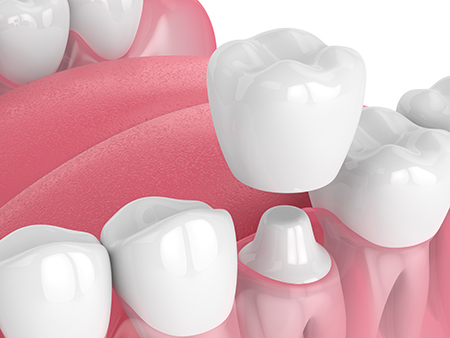
A ceramic crown is a tooth-shaped restoration made entirely from ceramic materials to cover and protect a damaged or weakened tooth. It restores the tooth's shape, strength and function while providing a natural, tooth-colored appearance. Ceramic crowns are widely used in cosmetic and restorative dentistry because they closely mimic the light-reflective properties of natural enamel.
Ceramic crowns can be fabricated in a dental laboratory or milled in-office with CAD/CAM systems such as CEREC for same-day placement. They are bonded to the prepared tooth to create a stable, long-lasting restoration that seals and protects the underlying tooth structure. Dentists select ceramic crowns when aesthetics and biocompatibility are priorities for patients.
Modern ceramic crowns are made from several materials, including full-contour zirconia, lithium disilicate (commonly branded as e.max) and other glass-ceramics. Each material offers a balance of strength, translucency and polishability that makes it suitable for different clinical situations. Zirconia is known for high strength and is often used in posterior regions, while lithium disilicate provides superior translucency for anterior restorations.
The choice of material depends on factors such as the tooth's location, the patient's bite forces and the desired cosmetic outcome. Your dentist will evaluate these factors and recommend the appropriate ceramic type for a reliable and natural-looking result. Advances in ceramic materials have expanded options for patients who want both durability and lifelike aesthetics.
Ceramic crowns differ from porcelain-fused-to-metal (PFM) crowns in that they contain no metal substructure, which improves their aesthetic integration with adjacent teeth. Without a metal core, ceramics avoid the gray line that can appear at the gumline and allow for more natural light transmission. This makes ceramic crowns particularly desirable for front teeth and patients who prioritize a seamless appearance.
PFM crowns can offer strong support in high-stress areas, but ceramics have advanced to provide comparable strength in many cases, especially with modern zirconia. The best option depends on the specific clinical needs, the visible zone of the mouth and the functional demands placed on the restoration. Your dentist will discuss the advantages and limitations of each type during treatment planning.
Good candidates for ceramic crowns include patients with large cavities, fractured or worn teeth, teeth that have had root canal therapy, or those seeking to improve the appearance of a compromised tooth. Patients who value a metal-free restoration and highly aesthetic results are often advised to consider ceramic options. A thorough clinical exam and imaging help determine whether a ceramic crown is appropriate based on tooth structure and bite considerations.
Certain habits, such as heavy clenching or grinding, may influence material choice and require protective measures like nightguards to protect the crown. Patients with adequate remaining tooth structure and healthy gums generally achieve the best outcomes. The dentist will review oral health, occlusion and any restorative needs before recommending a ceramic crown.
The procedure typically begins with a comprehensive exam, X-rays and discussion of material options, followed by local anesthesia to ensure patient comfort during tooth preparation. The dentist will remove decay or old restorative material and shape the tooth to create room for the crown while preserving as much healthy tooth structure as possible. If a same-day CEREC crown is selected, digital impressions are taken and the crown is designed and milled in the office for immediate placement.
For lab-fabricated crowns, the dentist captures a final impression and fits a temporary crown while the permanent restoration is made. At the placement appointment, the dentist checks fit, occlusion and shade before bonding the ceramic crown permanently. Peace Haven Family Dentistry uses modern imaging and milling technology to streamline the process and help patients achieve predictable, aesthetic results.
Caring for a ceramic crown follows the same principles as natural teeth: maintain good oral hygiene, brush twice daily with a fluoride toothpaste and floss daily to protect the margin where the crown meets the tooth. Regular dental checkups and professional cleanings allow the dentist to monitor the crown and surrounding tissues for signs of wear, decay or gum inflammation. Avoiding excessively hard foods and minimizing habits like biting fingernails or chewing ice helps reduce the risk of chipping.
If you have bruxism or heavy occlusal forces, your dentist may recommend a custom nightguard to protect the crown from fracture. Patients should report persistent sensitivity, looseness or discomfort to the office promptly so the restoration can be evaluated. With consistent home care and routine dental visits, ceramic crowns can remain functional and attractive for many years.
Ceramic crowns can be highly durable when made from appropriate materials and placed with correct technique, resisting fracture and wear under normal function. Longevity depends on factors such as material selection, the amount of remaining tooth structure, the quality of the bond to the tooth and the patient's occlusal forces. Routine dental maintenance and prompt treatment of any new dental problems also play a major role in preserving the restoration.
Patient behaviors such as smoking, poor oral hygiene and habitual teeth grinding can shorten the life of any crown, including ceramic. The dentist evaluates these risk factors and may suggest adjunctive measures like occlusal guards or periodontal care to extend the restoration's service. Regular monitoring allows early intervention if marginal breakdown or wear is detected.
Ceramic crowns can be used on both natural teeth and dental implants, with design and material choices tailored to each clinical situation. For implant-supported crowns, the restoration may be cemented or screwed to an abutment depending on access, retrievability needs and aesthetic concerns. Implant restorations require precise fit and occlusal management to protect both the crown and the implant fixture.
When planning an implant restoration, clinicians coordinate implant position, abutment selection and ceramic material to achieve long-term function and appearance. Ceramic crowns on implants can provide excellent aesthetics, especially in the anterior zone, while strong ceramics like zirconia are often selected for high-load posterior implant crowns. Your dentist will explain the options and recommend the most suitable approach for your case.
Yes, ceramic crowns are designed to closely match the color, translucency and texture of adjacent natural teeth, making them an excellent cosmetic choice. Dental ceramics can be layered and glazed to replicate surface characteristics, and shade-matching protocols during fabrication help ensure a harmonious result. For front teeth, materials with higher translucency and skilled staining techniques yield the most lifelike outcomes.
The final appearance depends on accurate shade selection, the underlying tooth color and the laboratory or in-office milling process used to fabricate the crown. If a strong color correction is needed, your dentist will discuss options such as internal shading or modification to achieve the desired aesthetic. Communication between patient and clinician about expectations helps produce a natural, satisfying result.
To reduce risks, dentists take precautions such as conservative tooth preparation, accurate fit verification and careful occlusal adjustment. Patients should follow post-operative care instructions and attend regular exams so the restoration can be monitored and any concerns addressed promptly. If complications arise, restorative or endodontic options can often resolve the issue while preserving function and appearance.
Have a question or ready to schedule your visit? Send us a message and we'll be in touch, or call (336) 765-9247.