(336) 765-9247
Fax
(336) 765-6960

Modern materials and thoughtful design have made dentures more comfortable and lifelike than ever. Whether tooth loss happened gradually or suddenly, a well-made denture can restore the look and function of your smile while supporting facial contours and oral health. Dentures remain a dependable option for many people seeking to replace several missing teeth or an entire arch.
Peace Haven Family Dentistry uses high-quality dental materials and precise fabrication techniques to create dentures that fit comfortably and perform reliably. Our approach balances practical function with natural appearance so patients can speak, eat, and smile with confidence.
We work with each patient to identify the right prosthetic solution for their oral health, daily needs, and long‑term goals. That may mean a removable partial, a complete denture, or a hybrid approach that combines removable prosthetics with implant support.
Losing teeth affects more than the visible smile. Missing teeth change how your jaw and bite meet, alter the forces placed on remaining teeth, and can lead to drifting or tipping that compromises chewing and oral health. Over time, those changes can make routine dental care more complicated and create new problems that require attention.
Functionally, gaps in the dental arch can make it harder to bite into certain foods or to chew evenly. That may encourage a limited diet or place extra wear on the remaining teeth. From a structural standpoint, when tooth roots are absent the jawbone no longer receives the same stimulation and can remodel or shrink, which affects the fit of a future denture or restoration.
Emotionally and socially, missing teeth can affect self‑confidence and how you interact with others. Restoring lost teeth often improves not only the mechanics of eating and speaking but also a person’s willingness to smile and engage comfortably in social situations.
Because the consequences of tooth loss can compound over time, early evaluation and a thoughtful plan for replacement help preserve oral health and simplify future treatment options.

Dentures are removable prosthetic appliances that recreate teeth on a supportive base designed to sit over the gums. The artificial teeth are crafted to look natural while the base is contoured to follow the shape of the gums and underlying bone. A well-made denture restores the basic functions of teeth—chewing, speaking, and providing lip and cheek support—without permanently altering adjacent teeth.
Unlike fixed bridgework or dental implants, dentures can be taken out for cleaning and for giving the tissues a nightly rest. That removability makes them easier to maintain for many patients while allowing direct care of remaining teeth and soft tissues. Proper daily cleaning and overnight soaking are important to maintain hygiene and extend the useful life of the appliance.
Modern denture materials and processing techniques improve strength, stain resistance, and lifelike appearance. Tooth shapes and shades can be selected to harmonize with facial features, and the base material is trimmed and polished so it rests comfortably against the gums. In many cases, the overall result is both functional and attractive.
Choosing the right denture depends on how many natural teeth remain, their condition, and the amount of supporting bone and tissue. A careful clinical exam and diagnostic imaging allow the dental team to recommend the most appropriate prosthesis—whether a removable partial to fill specific gaps or a complete denture to replace all teeth in an arch.
Complete solutions replace an entire upper or lower arch (or both). Partial options fill the spaces left by several missing teeth and are designed to integrate with the remaining natural teeth. Both approaches aim to restore balanced chewing, maintain occlusion, and preserve facial contours.
When planning a denture, the dentist will evaluate existing tooth stability, gum health, and jawbone support. In cases where remaining teeth are unreliable, extractions or pre‑prosthetic treatment may be advised before fabrication begins to ensure a stable and comfortable outcome.
A complete denture replaces all teeth in one arch and can be tailored to account for jaw relationships, facial support, and speech considerations. Design choices vary by case, and careful attention during the try‑in stages helps align aesthetics and function.
Some patients receive an immediate denture placed at the same appointment as extractions so they never experience a gap in appearance. While immediate dentures provide continuity, they often require subsequent adjustments or relining as tissues heal and remodel. A conventional or delayed approach waits until healing stabilizes, which can yield a more precise long‑term fit from the outset.
Overdentures
An overdenture gains extra retention and stability from attachments to existing tooth roots or specially placed implants. This approach preserves some natural support while improving comfort and function compared with a conventional denture.
Implant‑retained denture options
Strategically placed dental implants can anchor a removable denture, greatly improving retention and reducing movement during chewing and speaking. Implant‑retained designs are especially helpful for lower‑arch dentures, where stability is more challenging to achieve with tissue support alone.
When strong natural teeth remain, a removable partial denture can replace missing teeth in one or both arches. Partial dentures use clasps, precision attachments, or custom frameworks to distribute chewing forces and prevent neighboring teeth from drifting into the empty spaces.
Partial designs are adaptable: frameworks may be metal for durability, flexible resin for comfort, or hybrid materials that strike a balance between strength and esthetics. The goal is to restore a complete dental arch while protecting the health and position of the remaining teeth.
At Peace Haven Family Dentistry, we evaluate each situation carefully to recommend the partial or complete option that best supports long‑term oral health and daily function.
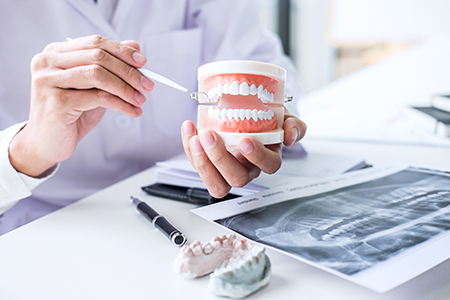
Creating a successful denture involves more than matching tooth color and shape. It requires a study of facial proportions, jaw relationships, bite dynamics, and the health of the gums and bone that will support the prosthesis. Diagnostic records, including digital imaging, help the dental team plan a denture that supports function and looks natural.
The fabrication process typically includes impressions, a series of try‑ins to check fit and appearance, and a final insertion with careful adjustments. In some cases, preparatory procedures—such as smoothing tissue, removing small bony projections, or treating periodontal concerns—improve the long‑term fit and comfort of the denture.
Materials selection matters: modern denture teeth resist staining and wear, while base materials are chosen for strength, comfort, and a lifelike finish. When implants are part of the plan, the sequence includes surgical placement and a healing period before attaching the denture to the implants or to specialized abutments.
Throughout the process, clear communication about daily habits, aesthetic preferences, and functional goals helps the team fine‑tune the final restoration so it integrates smoothly into everyday life.

Adjusting to a new denture is a stepwise process. In the first few days, it’s common to notice areas that feel unfamiliar or to experience slight pressure points. Minor adjustments are a normal part of care, and returning to the office for refinement helps eliminate soreness and improve fit.
Salivary flow often increases temporarily as the mouth adapts to the new appliance. This response diminishes over a short time. Speech may feel different at first, but practicing speaking aloud and reading passages can speed the adjustment.
Eating with a new denture is best approached gradually—start with soft foods and bite with the front teeth when appropriate, then progress to chewier items as comfort and stability improve. Using both sides of the mouth evenly and taking smaller bites helps maintain balance and prevents dislodgement.
Daily cleaning and nightly rest
Rinse dentures after meals and clean them daily with a brush designed for prosthetics. Soak them overnight in water (or a recommended cleaner) to preserve shape and hygiene. Also maintain care of any remaining natural teeth and gently clean gums and the roof of the mouth to support tissue health.
Practical tips for speaking and eating
Wear your denture frequently during the day as recommended to speed adaptation. Practice speaking slowly and chew soft foods until you build confidence. Cutting food into smaller pieces and chewing evenly will help you enjoy a wider variety of foods sooner.
Improving denture stability
For added retention, some patients benefit from implant attachments, specialized adhesives, or refinements to the denture base. Your dentist will advise on the best options based on tissue condition and expected function.
Follow‑up visits and maintenance
Regular checkups allow the dental team to evaluate fit, tissue health, and the condition of the denture. Over time, natural changes in jawbone and soft tissues may require relines or adjustments to maintain comfort and function.
Relines and long‑term care
As supporting tissues remodel, relines restore a close fit between the denture and the gums. Periodic maintenance extends the denture’s usefulness and helps prevent irritation or instability.
Peace Haven Family Dentistry is available to answer questions about denture options, the clinical process, and routine care. If you’re considering tooth replacement or want to learn which denture approach may work best for your mouth, please contact us for more information.
Dentures are removable prosthetic devices that replace missing teeth and the surrounding gum tissue, restoring basic functions such as chewing, speaking, and facial support. They consist of artificial teeth set into a contoured base that fits over the gums and underlying bone, and modern materials make them more durable and lifelike than in the past. A well-fitted denture helps distribute biting forces and maintain occlusion without permanently altering adjacent teeth.
Because dentures are removable, patients can clean both the appliance and the tissues directly, which supports oral hygiene and tissue health. Proper adjustment and periodic maintenance ensure the denture continues to fit as tissues change over time. Clinical follow-up helps address pressure points, improve comfort, and optimize function as the mouth adapts.
There are several common denture styles to meet different clinical needs: complete dentures replace an entire upper or lower arch, removable partial dentures fill several gaps while relying on remaining teeth for support, and overdentures use retained roots or implants for added stability. Materials and frameworks vary, from metal-backed or precision-attachment partials to flexible resin options that prioritize comfort and esthetics. The choice depends on the number and condition of remaining teeth, gum health, and the amount of supporting bone.
Implant-retained and implant-supported designs create hybrid solutions that combine the removability or full fixation of a prosthesis with the improved retention of implants. These approaches are particularly beneficial for lower-arch replacement where conventional tissue support may be less stable. Your dentist will review the pros and cons of each design based on clinical findings and long-term goals.
A thorough clinical exam is the starting point, including assessment of tooth stability, gum health, and jawbone volume, often supported by radiographs or digital imaging. Dentists evaluate the functional impact of missing teeth, the health of adjacent teeth, and factors such as bite relationships and facial support to determine whether a partial, complete, implant-retained, or alternative restoration is most appropriate. Patient goals, daily needs, and medical history also guide treatment planning.
When remaining teeth are compromised, extractions or preparatory periodontal care may be recommended before prosthetic fabrication to improve outcomes. In some cases, implant-supported options or fixed bridgework may be viable alternatives, and the dental team will explain the clinical trade-offs so patients can make informed decisions. Early planning reduces future complications and helps preserve oral health.
An immediate denture is placed at the same appointment as tooth extractions so the patient does not experience a visible period without teeth, while a conventional denture is fabricated after tissues have healed and stabilized. Immediate dentures provide continuity of appearance but often require subsequent adjustments or relining as the gums and bone remodel during healing. Conventional dentures typically offer a more predictable long-term fit from the outset because they are made once healing is complete.
Patients choosing an immediate approach should expect a phase of follow-up visits to refine fit and address pressure areas as tissue contours change. Your dentist will discuss the timeline and whether an immediate or delayed prosthesis best aligns with your clinical situation and comfort expectations. Both approaches can deliver functional and esthetic results when planned carefully.
Design and fabrication begin with diagnostic records, including impressions, jaw relationship measurements, and sometimes digital imaging to evaluate facial proportions and bite dynamics. Laboratory processes include creating models, arranging teeth for try-ins, and selecting tooth shapes and shades that harmonize with the patient’s facial features. Multiple try-ins allow the dentist and patient to confirm esthetics and function before the final prosthesis is processed and finished.
Modern denture teeth and base materials are chosen for wear resistance, stain control, and a lifelike appearance, and refinements such as polished borders and careful occlusal adjustments improve comfort. When implants are part of the plan, surgical placement and a healing period are coordinated with the prosthetic timeline so attachments or bars can be incorporated accurately. Peace Haven Family Dentistry uses precise fabrication protocols and patient-centered planning to help achieve a comfortable, natural result.
Yes. Dental implants can anchor a removable or fixed denture, providing significantly improved retention and stability compared with tissue-supported prostheses alone. Implant-retained overdentures attach to special abutments or attachments on implants, reducing movement during chewing and speech and often improving patient comfort and confidence.
The process involves surgical placement of implants, a healing interval for osseointegration, and then attachment of the denture to the implants or to intermediate abutments. Not every patient is a candidate for implants, so the dental team evaluates bone quality, medical factors, and long-term expectations before recommending an implant-supported approach.
Adjustment to new dentures is typically gradual and varies among patients; many adapt within a few weeks while others may need a few months to feel fully comfortable. Early sensations often include increased salivation, minor pressure points, and changes in speech, all of which usually diminish with practice and minor adjustments. Practicing speaking aloud, starting with soft foods, and using smaller bites help accelerate adaptation.
Follow-up visits are important during the adaptation phase to reshape pressure areas and improve occlusion, which reduces sore spots and enhances chewing efficiency. Persistent pain, sore spots that do not resolve, or significant functional problems should be reported promptly so the dentist can make targeted refinements. Regular maintenance helps ensure the denture continues to fit comfortably as tissues evolve.
Daily care includes rinsing dentures after meals, brushing them with a soft brush designed for prosthetics, and soaking them overnight in water or a recommended cleaner to preserve shape and hygiene. It is also important to gently clean the gums, tongue, and any remaining natural teeth to maintain tissue health and reduce the risk of irritation or infection. Avoiding abrasive cleaners and handling dentures with care helps prevent surface damage.
Regular dental checkups allow the clinician to evaluate tissue health, assess fit, and recommend professional cleaning or repairs when needed. If an adhesive is used temporarily for added retention, follow the dentist’s guidance on proper selection and application. Good daily habits combined with routine professional care extend the useful life of the denture and support oral health.
Because jawbone and soft tissues naturally change over time, dentures may require periodic relines or adjustments to restore close contact with the gums and maintain stability. Signs that service is needed include persistent soreness, slipping during function, difficulty chewing, or visible gaps between the denture base and the tissues. Waiting too long to address fit problems can lead to irritation and compromised function.
Relines restore intimacy between the denture and the gums, while repairs can address fractures or broken teeth on the prosthesis. Complete replacement is sometimes advisable when wear, material fatigue, or significant tissue changes make predictable function difficult to achieve with further relines. Routine examinations allow the dental team to recommend timely maintenance tailored to each patient’s oral changes.
The practice takes a comprehensive approach that begins with a detailed evaluation of oral health, functional needs, and aesthetic goals so patients can choose the most appropriate denture option. Treatment planning may include digital imaging, try-in appointments, and coordination with surgical care when implants are part of the plan, all designed to achieve a predictable and comfortable outcome. Clear communication about daily care, adaptation expectations, and follow-up ensures patients understand each step of the process.
Peace Haven Family Dentistry offers personalized attention from a team experienced in removable and implant‑retained prosthetics, and we work with patients to balance function, esthetics, and long-term oral health. If you are exploring tooth-replacement options or have questions about denture styles and maintenance, the office is available to provide clinical guidance and next steps tailored to your mouth.
Have a question or ready to schedule your visit? Send us a message and we'll be in touch, or call (336) 765-9247.