Invisalign® for Teens
(336) 765-9247
Fax
(336) 765-6960

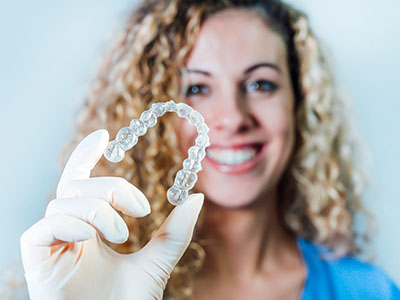
Invisalign® offers a discreet, science-driven approach to straightening teeth with minimal disruption to everyday life. Clear aligners move teeth gradually using a planned series of custom trays, letting patients maintain normal routines for eating, speaking, and oral hygiene while progressing toward a more aligned smile. For many people, the combination of comfort, convenience, and predictability makes clear-aligner therapy an attractive alternative to traditional braces.
At Peace Haven Family Dentistry, we combine clinical experience with modern digital tools to deliver individualized care. Our approach emphasizes thoughtful diagnosis, transparent explanations of the treatment pathway, and close clinical oversight so each patient feels informed and supported from initial consult to final refinements.

Invisalign® for Teens

Invisalign® for Brides

Invisalign® for Travelers
Before & After Photos
Invisalign® Videos
FAQs
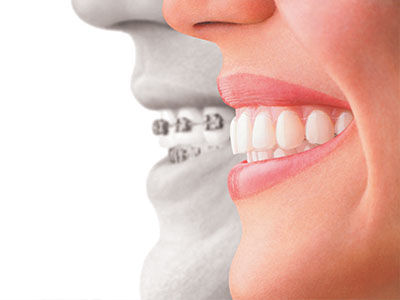
Invisalign® vs Braces
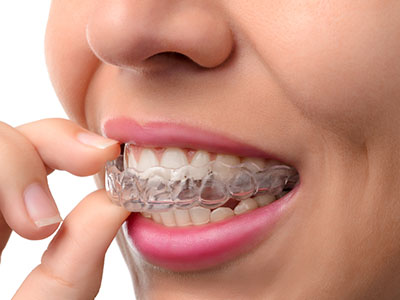
Invisalign® vs Direct-To-Consumer Aligners
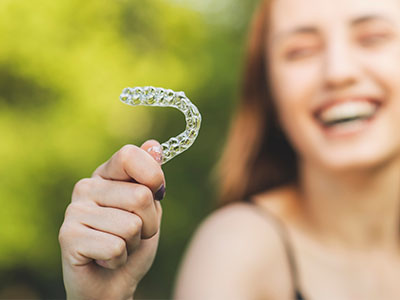
Is Invisalign Right For Me?

Invisalign Costs
Whether you are just beginning to explore orthodontic options or you are ready to book a consultation, a range of educational materials can help clarify the process. These resources typically cover the clinical steps, what to expect at in-office visits, and practical guidance for daily aligner care. They also explain how aligners are tailored to address specific alignment and bite concerns.
For people who value visuals, step-by-step examples and short video demonstrations make the workflow easier to follow. If you prefer reading, detailed guides explain the science behind tooth movement, how digital scans are used, and what typical appointment milestones look like. Use these materials to prepare questions for your exam so you can make an informed decision with your dental team.
Our intention is to make the journey transparent. Reliable resources will describe both the clinical process and the patient responsibilities—wearing aligners as instructed, maintaining oral hygiene, and attending periodic check-ins—so outcomes are predictable and stable over time.
With aligners that are nearly invisible, most people find they can undergo orthodontic care without changing their day-to-day appearance. Because the trays are removable, you continue to enjoy meals without dietary restrictions and clean your teeth using your usual routine, which helps preserve gum and tooth health throughout treatment.
Invisalign® treatment begins with advanced three-dimensional imaging and careful diagnosis. A digital scan captures the shape of the teeth and jaw, allowing the dentist to visualize current tooth positions and plan a stepwise series of movements. That plan is translated into a sequence of custom-made aligners that apply gentle, targeted pressure to specific teeth at each stage.
The digital plan gives both clinician and patient a clear roadmap: you can see proposed movements and a projected end result before treatment begins. That visibility lets the dentist refine goals and identify when auxiliaries—such as attachments or mild interproximal reduction—might be needed to achieve specific motions. Throughout treatment, progress is reviewed and adjustments are made when necessary to keep the plan on track.
Materials used for modern aligners are engineered for a balance of flexibility and control. Aligners are comfortable, fit snugly, and transfer forces to teeth in a way that promotes efficient movement with minimal irritation. Because treatment is executed in a planned sequence, tooth movement is gradual, controlled, and monitored to protect overall oral health.
The initial consultation is an opportunity to review your dental history, discuss goals for how you want your smile to look, and evaluate whether clear aligners are an appropriate path. During this visit, the dentist will perform a clinical exam and discuss any functional issues—such as bite or jaw concerns—that affect the treatment approach.
If aligner therapy is a suitable option, the next step typically includes a fast, non-invasive digital scan of the teeth and jaws. These scans replace traditional impressions in most cases and create the high-resolution models used to plan tooth movements. We will explain the scan results and outline the proposed sequence of aligners in language that’s easy to follow.
Before any treatment begins, your dentist will describe the expected commitment, including daily wear time, regular check-ins, and what to watch for as teeth shift. This visit is the ideal time to ask practical questions about hygiene, sports mouthguards if relevant, and how aligner care fits into your lifestyle.
Finally, you’ll leave the consultation with a clear sense of the clinical steps ahead and the level of support the dental team will provide. Transparent communication up front helps ensure both comfort with the plan and realistic expectations about the process and timeline.
After your scan, a custom treatment plan is created that maps each incremental movement from start to finish. This plan is reviewed by your dentist, who tailors it to your dental anatomy and aesthetic goals. The planning stage is where small refinements are made to ensure tooth movement is efficient and coordinated with your bite.
Each aligner in the series is designed to produce a small, controlled movement. Patients typically wear each tray for a prescribed period, then move on to the next in the set. Periodic in-office or virtual check-ins allow the dentist to confirm progress and make minor adjustments if needed, ensuring the plan stays aligned with clinical objectives.
Predictability is enhanced by monitoring progress and making refinements when necessary. In some cases, additional aligners or brief refinements are used to perfect occlusion and spacing. Throughout, the emphasis is on balanced function and stable long-term results, not just cosmetic change.
Because each plan is individualized, two patients with similar concerns may follow different treatment paths. The customized nature of the system is what allows clinicians to treat a wide array of alignment issues while keeping a focus on comfort and oral health.
Wearing aligners consistently is the single most important factor in treatment success. Most clinicians recommend wearing trays for the majority of each day, removing them for meals and while brushing or flossing. Because aligners are removable, you won’t need to make broad changes to your diet—simply take them out for eating and replace them afterward.
Cleaning the trays and maintaining good oral hygiene are straightforward but essential. Rinse and brush your aligners gently, and continue regular brushing and flossing of natural teeth to prevent plaque buildup. Regular professional cleanings and exams remain a key part of maintaining oral health during orthodontic care.
Many people notice an adjustment period when they start wearing a new tray—mild pressure or tenderness is normal and typically subsides after a day or two. Over-the-counter pain relievers and soft foods for the first 24–48 hours after tray switches can help manage brief discomfort.
Attachments—small tooth-colored shapes bonded to teeth—are sometimes used to help the aligner apply force in a specific way. If your plan includes attachments, the dentist will explain how they work and when they will be placed. Attachments are discreet and designed to minimize impact on appearance while improving clinical efficiency.
Throughout treatment, scheduled check-ins allow the dental team to monitor progress, confirm that aligners fit properly, and make any needed adjustments. These appointments are typically concise and focused on measuring changes, addressing questions, and providing the next set of aligners.
Once active alignment is complete, an appropriate retention strategy is necessary to preserve the improvements. Retainers—either fixed or removable—help stabilize tooth positions while surrounding tissues settle into their new state. Your dentist will recommend a retention plan tailored to your needs and lifestyle.
Long-term success depends on a combination of good hygiene, adherence to wear recommendations during retention, and routine dental care. Regular visits to the dental office for preventive care support the stability of the final result and overall oral health.
Our team is committed to supporting patients through every stage of treatment, from diagnosis to retention. If you have questions about what to expect or whether Invisalign® is a good fit for your goals, the dental team at Peace Haven Family Dentistry can help you explore the options and next steps.
Short informational and demonstration videos that illustrate clinical steps and daily care for aligner therapy
*Invisalign® is a registered trademark of Align Technology, Inc.
In summary, Invisalign® blends modern imaging, customized planning, and discreet aligner appliances to deliver predictable tooth movement with minimal interference in daily life. If you would like to learn more about how this treatment could work for you, contact our office to discuss next steps and schedule a consultation.
Invisalign® is a series of clear, removable aligners custom made to guide teeth into improved positions over time. Each aligner applies gentle, controlled forces to specific teeth so movement occurs in a planned sequence rather than all at once. Because the trays are nearly invisible and removable, many patients find they can continue daily routines with minimal interruption.
The system relies on an individualized treatment plan created from digital scans and clinical evaluation. Aligners are worn for the prescribed daily hours and replaced at designated intervals to progress through the plan. Periodic check-ins let the dentist verify movement and make refinements so the outcome aligns with both functional and aesthetic goals.
Digital treatment planning begins with a high-resolution scan of the teeth and jaws to create a three-dimensional model. Using specialized software, the dentist maps the desired incremental movements and generates a virtual series of aligners that illustrate the proposed progression and projected result. This virtual setup gives both clinician and patient a clear roadmap for the course of treatment.
After the plan is reviewed and adjusted as needed by the dentist, the aligners are manufactured to match the staged movements. The plan also allows the clinician to anticipate when auxiliaries such as attachments or minor interproximal reduction may be useful. Ongoing monitoring ensures the physical progress follows the digital plan, with refinements added when necessary.
Many adults and teens are suitable candidates for Invisalign®, particularly when alignment concerns are mild to moderate and the patient can comply with wear guidelines. Complex bite issues or significant jaw discrepancies sometimes require additional orthodontic methods or combined approaches to achieve ideal function. A thorough clinical exam and digital scan are required to determine whether clear aligner therapy is the best option for a specific case.
The dentist will evaluate tooth positions, bite relationships, periodontal health, and any existing restorations before recommending treatment. Factors such as prior dental work, oral hygiene habits, and expectations for time and follow-up influence candidacy and the final treatment plan. Open discussion during the consultation ensures that the chosen approach balances aesthetic goals with long-term oral health.
Your initial consultation typically includes a review of medical and dental history, a focused clinical exam, and a discussion about your smile goals. If aligner therapy appears appropriate, the team will capture a digital scan of your teeth to create a precise model for planning. The dentist will explain the proposed treatment steps, expected commitment, and any preparatory work that may be needed before aligners begin.
This visit is also an opportunity to ask practical questions about daily care, sports or appliance needs, and how progress will be monitored. You will leave with a clear sense of the diagnostic findings and the next steps in the planning process. Transparent communication at this stage helps set realistic expectations and ensures both clinician and patient are aligned on objectives.
Treatment length varies based on the complexity of the case and the specific movements required to achieve the desired outcome. Some patients complete alignment in several months while others require a longer course that may extend toward a year or more for comprehensive corrections. The treating dentist will provide an individualized timeline after reviewing the digital plan and clinical considerations.
Consistency in wearing the aligners as instructed is a primary factor in maintaining the projected timeline, and periodic refinements can adjust the plan if teeth do not move as expected. Additional procedures, such as attachments or interproximal reduction, may be scheduled to improve efficiency and results. Regular check-ins allow the team to monitor progress and update expectations based on clinical observations.
Maintaining excellent oral hygiene is essential during aligner therapy to protect tooth and gum health while teeth are moving. Remove aligners for eating and drinking anything other than water, and brush and floss your teeth before reinserting trays to reduce the risk of plaque buildup and staining. Clean aligners daily by rinsing them and using a soft brush with gentle, nonabrasive soap or the cleaning method recommended by your dentist.
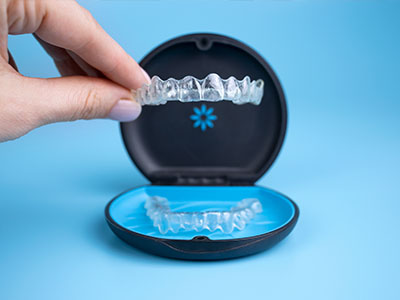
Avoid exposing aligners to hot water or harsh chemicals that can distort or discolor the material. Keep a protective case with you to store trays when they are not in use to prevent loss or damage. Continue regular professional cleanings and dental exams during treatment so the clinical team can monitor oral health and address concerns promptly.
Most patients experience mild pressure or tenderness during the first few days after switching to a new aligner, which is a normal sign that teeth are responding to planned forces. Any discomfort is typically temporary and can be managed with over-the-counter pain relievers and soft foods for a short period. Modern aligner materials are designed to be smooth and minimize irritation to lips and cheeks compared with many traditional wire-and-bracket systems.
Some people notice a slight change in speech or a temporary lisp when they first start wearing aligners, but most adapt within a few days to a couple of weeks. Practicing speaking and reading aloud can speed the adjustment period. If speech issues persist, discuss them with your dentist so the fit can be assessed and solutions offered.
Attachments are small, tooth-colored shapes bonded to certain teeth to give aligners a better surface to grip and to help guide specific movements more effectively. They are discreet and designed to blend with the tooth surface while improving the appliance’s mechanical advantage for rotations or extrusions. Your dentist will explain if and why attachments are recommended as part of the treatment plan.
Interproximal reduction (IPR) is a conservative technique where tiny amounts of enamel are removed between teeth to create space for movement or to improve contact relationships. When needed, IPR is performed carefully and selectively to maintain tooth health while facilitating predictable alignment. Both attachments and IPR are tools used by clinicians to achieve efficient, stable results and are discussed in detail during treatment planning.
Retention is a critical phase that follows active alignment and helps stabilize teeth while surrounding bone and soft tissues adapt to their new positions. Retainers may be fixed (bonded) or removable, and the recommended wear schedule varies depending on the case and the dentist’s clinical judgment. Adherence to the retention plan is essential to minimize relapse and protect the long-term outcome of treatment.
Regular dental checkups and good oral hygiene also support lasting results by preserving the health of teeth and gums. Your clinician will provide a personalized retention strategy and review how often to wear retainers, when follow-up visits should occur, and what signs to watch for that might warrant earlier evaluation. Discuss any concerns about retention during your final treatment visit so you leave with a clear maintenance plan from Peace Haven Family Dentistry.
To begin, call the office at (336) 765-9247 to schedule a consultation or request an appointment through the practice’s usual channels. The first visit will include a clinical exam, discussion of your goals, and a digital scan if aligner therapy appears appropriate. From that information the dentist will craft a customized plan and explain the expected steps, follow-up schedule, and any necessary preparatory care.
Bring a list of questions and any relevant dental history to your consultation so the team can address functional concerns as well as cosmetic goals. The staff will outline what to expect at each stage and provide guidance on daily care, attachments, and retention so you can make an informed decision about treatment. Starting with a clear diagnostic evaluation helps ensure the process is efficient, predictable, and aligned with your long-term oral health.
Have a question or ready to schedule your visit? Send us a message and we'll be in touch, or call (336) 765-9247.