(336) 765-9247
Fax
(336) 765-6960

At the office of Peace Haven Family Dentistry, we believe the best defense for a lifetime of healthy smiles starts with a thoughtful, regular oral exam. Routine visits give our clinicians the chance to detect early signs of trouble, reinforce good habits, and tailor prevention plans for each family member. Alongside professional cleanings and targeted screenings—such as oral cancer checks and periodontal evaluations—these appointments are designed to keep small issues from becoming major interruptions to your health and comfort.
Your initial visit is not just a quick look in the mirror; it’s an opportunity to build a complete picture of your oral health. We begin by reviewing your medical and dental history and listening to any concerns you bring. That background helps us identify risk factors—medications, systemic conditions, or habits—that could influence your oral health plan.
The clinical portion of the exam covers teeth, gums, tongue, cheeks, and the jaw. We evaluate bite relationships, check for signs of wear from grinding, and assess the health of soft tissues. A targeted oral cancer screening is performed as part of the routine exam, and we document any unusual findings that warrant monitoring or further investigation.
When additional information is needed, we will recommend appropriate diagnostic imaging. Digital X-rays or, in specific cases, three-dimensional CBCT scans reveal details below the surface that a visual exam alone cannot. After the exam, we’ll summarize our findings, explain recommended next steps, and answer your questions so you leave with a clear understanding of your oral health and options for care.

Oral health and general health are deeply connected. During an exam we look for patterns that can reflect or affect conditions elsewhere in the body. Inflammation, infections, and certain tissue changes in the mouth can sometimes be early indicators of broader health concerns that deserve attention.
Research increasingly links oral disease with systemic conditions such as diabetes, heart disease, and respiratory problems. Detecting and treating gum disease early can help reduce the bacterial burden and inflammation that may contribute to these associations. Our team treats each exam as part of a larger health conversation, and we communicate findings that may be relevant to your medical provider when appropriate.
Conversely, medications and systemic illnesses can create oral symptoms—dry mouth, changes in taste, ulcerations, or unusual bleeding—that impact daily comfort and oral function. Identifying these signs during a routine exam enables timely recommendations to relieve symptoms and protect teeth and gums from secondary damage.

Brushing and flossing at home are essential, but professional hygiene visits reach spots that are easily missed. Our hygienists remove hardened deposits and biofilm that accumulate over time, significantly lowering the risk of cavities and periodontal disease. Those cleanings also make the surfaces of teeth less hospitable to staining, helping your smile look and feel cleaner.
Routine appointments are also a chance for personalized coaching. We’ll review your homecare routine, demonstrate techniques suited to your anatomy and any dental appliances you may use, and suggest practical strategies to address problem areas. Small habit changes can produce big long-term benefits when they’re reinforced consistently.
For children, preventive visits are an investment in lifelong oral health. Regular monitoring supports early intervention for growth and development concerns, and preventive treatments—such as sealants or fluoride where appropriate—help protect vulnerable tooth surfaces during critical years.
By keeping a steady schedule of exams and cleanings, most issues can be managed conservatively and treated earlier, when options are simpler and outcomes are more predictable.
Visual inspection is essential, but imaging lets us see beyond the visible surfaces. Digital radiographs provide high-resolution views of tooth roots, bone levels, and the spaces between teeth—information that directs diagnosis and influences treatment decisions. Because digital sensors are more sensitive than traditional film, they often require less radiation exposure and produce immediate images for review.
Three-dimensional imaging, such as cone-beam computed tomography (CBCT), is used selectively when a detailed anatomical map is necessary—commonly in complex implant planning, evaluation of impacted teeth, or assessment of jaw structures. These scans enable precise measurements and improved confidence in clinical decisions.
Another advantage of digital workflows is improved communication. Images can be displayed on-screen to help you see what we see, which makes it easier to explain findings and discuss treatment options. Electronic records also allow the team to track changes over time, making follow-up comparisons straightforward and meaningful.
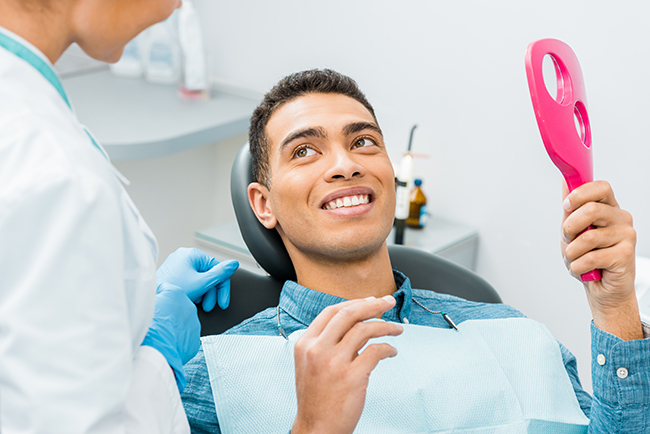
Different imaging techniques serve different diagnostic purposes. Periapical X-rays focus on individual teeth and the surrounding bone to evaluate root health and detect localized problems. Bitewing images are excellent for spotting early cavities between teeth and monitoring bone levels near the crowns.
A full-mouth series combines periapical and bitewing views to create a comprehensive baseline of the entire dentition, while a panoramic film provides an overview of both jaws, teeth, and supporting structures—useful for spotting impacted teeth, large-scale bone changes, or developmental issues.
Cephalometric films are specialized lateral views used primarily in orthodontic assessment to evaluate jaw relationships and facial growth patterns. Each type of image contributes specific information, and we recommend only the studies that will directly inform care for your situation.
When advanced three-dimensional imaging is indicated, it’s because the added detail changes the approach to treatment or improves surgical planning. Our goal is always to balance diagnostic benefit with minimal exposure, choosing technologies thoughtfully to support predictable, safe care.
At Peace Haven Family Dentistry, our approach to oral exams centers on prevention, early detection, and clear communication. Regular exams and appropriate imaging help us protect your smile and support overall health at every stage of life. Contact us for more information about what to expect from an oral exam or to schedule a routine visit.
At Peace Haven Family Dentistry a routine oral exam is a comprehensive check of teeth, gums, and oral tissues designed to detect issues early and maintain long-term oral health. The visit begins with a review of your medical and dental history and a conversation about any symptoms or concerns you may have. The clinical exam covers bite relationships, soft tissues, signs of wear, and a targeted oral cancer screening to document baseline findings.
When indicated, the exam is complemented by diagnostic imaging such as digital radiographs to reveal details beneath the surface that a visual inspection cannot show. Our team records findings in your electronic chart and discusses recommended next steps, so you leave with a clear plan for prevention or treatment. Communication and education are central to the visit, and we make time to answer questions about home care and follow-up.
Most patients benefit from oral exams every six months, which allows clinicians to monitor changes, remove hardened deposits, and catch emerging problems before they progress. Frequency can vary based on individual risk factors such as periodontal disease, a history of frequent cavities, certain medications, or systemic conditions that affect oral health. Your dentist or hygienist will recommend a personalized schedule based on your medical history, oral findings, and preventive needs.
For patients with elevated risk, shorter intervals may be advised to better control disease and reduce complications. Conversely, low-risk patients with stable oral health may be seen at longer intervals when clinically appropriate. Regular visits establish a baseline and make it easier to spot subtle changes over time.
Oral exams provide valuable information that can reflect broader health concerns, because the mouth often shows early signs of systemic conditions such as diabetes or immune disorders. Our clinicians look for inflammation, unusual tissue changes, persistent ulcers, and patterns of bleeding that might warrant further medical evaluation. When findings are potentially related to overall health, we communicate observations clearly and, when appropriate, coordinate with your medical provider.
Identifying and treating oral disease early can also reduce chronic inflammation and bacterial burden that have been associated with systemic conditions like heart disease and respiratory problems. During the exam we consider how medications and medical conditions affect the mouth and suggest strategies to manage side effects such as dry mouth or altered taste. This integrative approach helps protect both oral function and general well-being.
Your initial oral exam is focused on building a complete picture of your oral health and any factors that influence it, so we begin with a thorough history and a careful discussion of your concerns. The clinical evaluation examines teeth, periodontal tissues, bite, soft tissues, and seeks signs of bruxism or wear, along with a routine oral cancer screening. Baseline radiographs or other imaging may be taken if needed to supplement the visual exam and support accurate diagnosis.
At the conclusion of the visit we review findings, explain any recommended preventive measures or treatments, and answer your questions so you understand the plan moving forward. We document baseline images and notes in your record to make future comparisons meaningful and to track changes over time. This initial visit sets the tone for personalized care and preventive planning tailored to your needs.
Digital radiographs capture high-resolution images of tooth roots, bone levels, and interproximal areas that cannot be seen by visual inspection alone, improving diagnostic accuracy and treatment planning. These sensors typically require less radiation than traditional film and produce immediate images for review, which helps the team explain findings and involve you in decision-making. Digital images are stored electronically, allowing easy comparison over time to monitor progression or healing.
CBCT, or cone-beam computed tomography, provides three-dimensional views of jaw anatomy when complex planning is necessary, such as for implant placement, assessment of impacted teeth, or evaluation of jaw pathology. Because CBCT reveals precise spatial relationships and anatomical landmarks, it enhances surgical planning and reduces surprises during treatment. We recommend advanced imaging only when the additional detail will influence clinical choices or improve outcomes.
Yes, a targeted oral cancer screening is included in our routine oral exams to check for signs such as persistent sores, white or red patches, lumps, or other abnormalities of the mouth and throat. Early detection greatly improves treatment options and outcomes, so clinicians document findings and recommend timely follow-up or referral when concerns arise. The screening is a quick, noninvasive visual and tactile check that is integrated into the standard exam.
If anything suspicious is found, we explain the observation, monitor changes closely, and may recommend further evaluation or biopsy through an appropriate specialist. We also review risk factors like tobacco use, alcohol consumption, or HPV exposure and discuss preventative measures where applicable. Clear communication about findings and next steps is a priority to ensure patient understanding and timely care.
Exams for children emphasize growth and development in addition to disease prevention, with attention to bite relationships, eruption patterns, and habits that can affect long-term oral health. Pediatric exams often include age-appropriate education for parents and children, fluoride recommendations, and consideration of preventive treatments such as sealants when indicated. The goal is to establish healthy homecare routines and to identify developmental issues early so intervention can be simple and effective.
Monitoring children on a regular schedule allows the team to detect orthodontic concerns, abnormal eruption, or early signs of decay when they are easiest to manage. We tailor our communication style to be reassuring and informative, helping children build positive dental experiences. Preventive planning for young patients sets the foundation for lifelong oral health and reduces the likelihood of more extensive treatment later.
Preparing for an oral exam is straightforward: bring a list of current medications, any updates to your medical history, and a summary of recent symptoms or concerns you want to discuss. Continue your normal oral hygiene routine before the visit, and let the team know about any changes in health, recent surgeries, or new therapies that could affect treatment. If you wear dental appliances or have prior records from another dentist, bringing those details can help the clinician assess your history more efficiently.
If you experience anxiety about dental visits, tell us in advance so we can describe what to expect and offer strategies to make the appointment more comfortable. Arrive a few minutes early for new-patient paperwork if applicable, and prepare any questions you want to cover during the exam. Being proactive about information sharing helps the visit run smoothly and ensures a focused, productive evaluation.
Follow-up care depends on the findings from your exam and can range from routine hygiene visits to targeted treatments for decay, gum disease, or other identified concerns. If issues are detected, the team will explain options, expected outcomes, and the recommended timeline for treatment or monitoring, so you can make informed decisions about next steps. We prioritize conservative, evidence-based approaches and will schedule follow-up appointments that match the urgency and nature of the problem.
For preventive matters, follow-up often includes personalized coaching, adjustments to homecare routines, or application of protective therapies such as fluoride or sealants where appropriate. For surgical or restorative needs, we provide clear pre- and post-operative instructions and coordinate imaging or specialist referrals when necessary. Ongoing communication and scheduled reviews help maintain progress and ensure predictable results.
Oral exams are typically performed by a licensed dentist and supported by registered dental hygienists, each trained to identify disease, provide preventive care, and educate patients about oral health. Dentists complete dental school and additional training in diagnosis and treatment planning, while hygienists focus on preventive care, periodontal assessment, and patient instruction. Our clinical team works together to combine skills and ensure thorough, coordinated care during each visit.
Continuing education and modern diagnostic tools support the team's ability to recognize subtle changes and apply current standards of care. When complex conditions are identified, the dentist may consult with or refer to specialists to ensure the most appropriate treatment pathway. This collaborative model helps deliver comprehensive care tailored to each patient's needs and clinical circumstances.
Have a question or ready to schedule your visit? Send us a message and we'll be in touch, or call (336) 765-9247.