
Dental technician in gloves loading a ceramic block into a CEREC milling machine for a same-day crown

CEREC

Smiling man beside ready set CEREC logo promoting the benefits of one-visit dentistry

Same-day ceramic restorations that combine modern digital precision with natural-looking results — designed, milled, and placed in a single appointment.

Why same-day restorations are changing patient expectations

Advances in restorative dentistry have shifted what patients can reasonably expect from a single visit. Same-day ceramic restorations eliminate the traditional wait between tooth preparation and final placement, reducing the time a patient spends in temporary restorations and multiple chairside appointments. That convenience has practical benefits: fewer scheduling conflicts, less disruption to daily life, and a simpler pathway to restoring both function and appearance.

Beyond convenience, same-day systems are built around digital accuracy. When every step of the workflow is captured and controlled in the office, the final restoration tends to fit more predictably. This integration of intraoral scanning, computer-aided design, and precise milling minimizes adjustments and helps deliver a consistent, polished result that matches surrounding teeth in shape and shade.

For patients who want a modern alternative to lab-based treatments, same-day ceramic restorations are a compelling choice. They combine efficient delivery with materials and techniques that prioritize longevity, aesthetics, and conservative tooth preparation, making them an excellent option for many restorative needs.
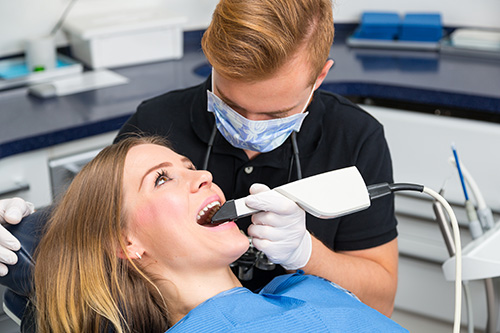
Dentist in a face mask scanning a smiling patient s teeth with an intraoral scanner for digital impressions

What to expect during a single-visit crown appointment

A single-visit crown procedure follows a streamlined sequence that focuses on comfort and predictability. After assessing the tooth and discussing your goals, the dentist prepares the tooth as needed—removing decay or old restorative material while conserving as much natural structure as possible. Local anesthesia is used as appropriate to ensure the procedure is comfortable.

Instead of traditional impression materials, an intraoral scanner captures detailed digital images of the prepared tooth and surrounding bite. Those images are used immediately to design the restoration on a chairside computer, allowing the clinician to refine contours and contacts visually before milling begins. Patients can see the digital design and participate in shade and shape selections if desired.

While the milling unit fabricates the restoration from a high-quality ceramic block, the clinician prepares the tooth surface and finalizes any minor adjustments. Once the restoration is finished, it is tried in, polished, and bonded in place. The entire sequence typically takes place in a single appointment, leaving patients with a durable, esthetic restoration without the need for a temporary crown or multiple visits.

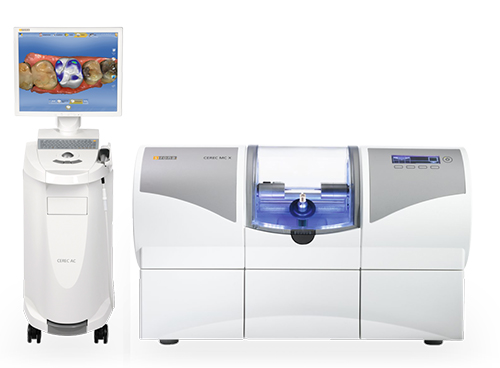
CEREC acquisition unit showing a 3D tooth scan beside a milling machine for same-day crowns

How the digital workflow improves fit and function

Digital dentistry replaces analog steps with precise, reproducible processes. Intraoral scanning captures a three-dimensional map of the mouth, which software transforms into a design-ready model. Because the data is immediately available, clinicians can evaluate occlusion, contacts, and margins on screen and make real-time adjustments that translate to a more accurate finished piece.

Once the design is finalized, a chairside milling unit carves the restoration from a uniform ceramic block under controlled conditions. The consistency of the block material and the precision of the milling process yield restorations with predictable strength and wear characteristics. The result is a restoration that fits the prepared tooth closely and restores reliable chewing function with minimal chairside modification.

This closed-loop digital system reduces the number of manual steps where error can be introduced. By keeping the workflow within the office, clinicians maintain direct oversight from start to finish, which often improves turnaround time and reduces the need for later adjustments.

Smiling dental professional in a white coat with arms crossed beside a blue dental chair

Materials, aesthetics, and long-term performance

Modern ceramic blocks used in same-day systems are engineered for a balance of strength and translucency. These materials can mimic the optical properties of natural enamel while offering the structural durability needed for crowns, inlays, and onlays. When polished and glazed properly, ceramic restorations resist staining and retain their finish under normal biting forces.

A carefully matched ceramic restoration blends with adjacent teeth in color and sheen. The clinician can layer characterization in some cases or rely on the material’s inherent shading to achieve a natural look. Because the restoration is designed to the individual tooth anatomy, it also restores proper contacts and contours, contributing to oral function and periodontal health.

With appropriate case selection and attentive bonding protocols, ceramic restorations from a same-day workflow have demonstrated reliable clinical performance. Routine dental maintenance—regular cleanings, nightly oral hygiene, and avoiding high-risk habits—supports the restoration’s longevity and helps preserve the health of the surrounding teeth and gums.

Preparing for treatment and what happens after placement

Before a same-day restoration, the dentist conducts an exam and any necessary imaging to evaluate the tooth and surrounding structures. Treatment planning considers the tooth’s condition, bite dynamics, and overall oral health. Patients should discuss expectations, aesthetic goals, and any concerns—such as sensitivity or previous dental work—so the plan addresses those factors directly.

After the restoration is bonded, it’s common to notice minor changes as you adapt to the new contour and bite. The dentist will check and fine-tune occlusion to ensure comfortable function. Mild, short-lived sensitivity can occur while the tooth settles; the team can recommend gentle care and symptom management if needed.

Long-term care for a same-day ceramic restoration is the same as for natural teeth. Maintain regular dental visits for exams and professional cleanings, practice thorough daily oral hygiene, and report any unusual pain, looseness, or aesthetic concerns promptly so the team can evaluate and address them. If you have habits like grinding or heavy clenching, discuss protective options to reduce stress on the restoration.

Peace Haven Family Dentistry incorporates the digital workflow into individualized treatment plans, emphasizing conservative tooth preparation and careful bonding protocols to support predictable outcomes. If you’re considering a same-day solution, the clinical team can explain whether a CEREC-style restoration aligns with your clinical needs and restorative goals.

In summary, same-day ceramic restorations offer a patient-centered blend of efficiency, digital precision, and durable materials. For many restorative scenarios—crowns, inlays, and onlays—the chairside workflow reduces the number of visits while delivering a final restoration that restores appearance and function.

Contact us for more information.

Frequently Asked Questions

What is CEREC and how does it work?

+

CEREC is a chairside digital system used to design, mill, and place ceramic restorations in a single appointment. The workflow begins with an intraoral scanner that captures a three-dimensional image of the prepared tooth and surrounding teeth. That digital model is used with computer-aided design software to create a restoration that is then milled from a ceramic block on site.

After milling, the restoration is finished, tried in, and bonded to the tooth using established adhesive protocols. Keeping the entire process in the office reduces handoffs and allows the clinician direct control over fit and esthetics. The result is a predictable, esthetic restoration without the need for a temporary crown or multiple visits.

What types of restorations can be made with CEREC?

+

CEREC technology is commonly used for single crowns, inlays, onlays, and certain small bridges depending on case selection. The system is particularly well suited to restorations where a monolithic ceramic or layered ceramic solution provides the needed strength and esthetics. Clinicians can often address both posterior and anterior restorations using appropriate block materials and finishing techniques.

Beyond fixed restorations, CEREC can be used for custom abutments and other prosthetic components in select situations when integrated with the overall treatment plan. Material selection and occlusal design are tailored to restore function and preserve surrounding tooth structure. Proper case planning ensures the restoration meets long-term functional and periodontal needs.

How should I prepare for a same-day CEREC appointment?

+

Preparing for a same-day CEREC appointment is similar to preparing for any restorative visit and begins with a dental exam and necessary imaging to evaluate the tooth and bite. Patients should inform the team of any medical conditions, medications, or sensitivities so the visit can be planned safely and comfortably. If anxiety or special accommodations are needed, discuss those ahead of time to allow the office to prepare.

During the appointment, local anesthesia is used as needed to keep the procedure comfortable while the tooth is prepared conservatively. Because the restoration is designed chairside, patients may be involved in shade selection and shape considerations during the digital design phase. The overall goal is a smooth, efficient visit that replaces the need for temporaries and multiple appointments.

What makes the digital workflow more accurate than traditional impressions?

+

Digital intraoral scanning captures high-resolution, three-dimensional data that can be reviewed instantly to verify margins, contacts, and occlusion. This immediate feedback allows the clinician to make in-office adjustments to the digital design before milling, reducing error introduced by traditional impression materials and laboratory steps. The closed-loop workflow keeps data and fabrication under direct clinical oversight.

Because the restoration is milled from a uniform ceramic block under controlled conditions, fit and material properties tend to be more consistent from case to case. The digital process also simplifies the evaluation of occlusion and proximal contacts on screen, which translates to fewer adjustments at try-in. Overall, the integration of scanning, CAD, and milling improves predictability and efficiency.

How long does a CEREC restoration last and how should I care for it?

+

The longevity of a CEREC ceramic restoration depends on case selection, occlusion, oral hygiene, and patient habits such as bruxism. With proper bonding protocols and routine dental care, ceramic restorations can perform reliably for many years, matching the expectations for laboratory-fabricated ceramics in similar situations. Regular dental visits allow the team to monitor the restoration and surrounding tissues for any changes.

Daily oral hygiene—brushing twice, flossing, and using any adjunctive aids recommended by the clinician—helps preserve both the restoration and the supporting tooth. Avoiding high-risk habits like chewing ice or opening packages with teeth reduces the risk of chipping or fracture. If you grind your teeth, discuss protective options such as a nightguard to reduce stress on the restoration.

Who is a good candidate for a CEREC same-day crown?

+

Good candidates for a CEREC same-day crown are patients with a tooth that can be restored conservatively and where a monolithic or layered ceramic solution meets functional and esthetic requirements. The tooth should have adequate remaining structure or be restorable with a buildup, and periodontal and endodontic conditions should be favorable. Complex occlusal schemes or large full-arch restorations may require alternative planning or laboratory involvement.

The clinical team evaluates each case individually, considering bite dynamics, parafunctional habits, and adjacent restorations before recommending a same-day approach. At Peace Haven Family Dentistry the dentists review diagnostic records and discuss whether a CEREC restoration is the most appropriate option for the patient’s needs. When selected correctly, the same-day workflow offers a conservative and efficient solution for many restorative scenarios.

How does the choice of ceramic material affect esthetics and strength?

+

Modern ceramic blocks are engineered with different blends of translucency and strength to match clinical demands for esthetics or load-bearing function. More translucent ceramics better resemble natural enamel for anterior restorations, while stronger, reinforced ceramics are preferred for posterior crowns where chewing forces are higher. The clinician selects the material that balances appearance and durability based on the tooth’s location and functional requirements.

Surface finishing, glazing, and optional characterization further refine the esthetic outcome and help resist staining. Proper bonding technique also contributes to the overall strength and longevity of the restoration by creating a stable interface between ceramic and tooth. Together, material choice and clinical technique determine the final performance of the restoration.

What should I expect immediately after a CEREC restoration is placed?

+

After bonding a CEREC restoration, patients commonly notice a brief period of adaptation as the new shape and occlusion integrate with their bite. The dentist will check occlusion and make any necessary adjustments to ensure comfortable function and even contacts across the arch. Mild sensitivity can occur as the tooth and surrounding tissues settle, and the team can recommend gentle care and symptom management if needed.

Patients should report any persistent pain, roughness, or mobility so the office can evaluate and address the issue promptly. Routine follow-up and regular cleanings help maintain both the restoration and periodontal health. With appropriate care, most patients return to normal function quickly after a same-day crown appointment.

How does CEREC compare with traditional lab-fabricated crowns?

+

CEREC restorations offer the advantage of same-day delivery and reduced interim steps by keeping design and fabrication in the office, while lab-fabricated crowns involve external laboratory processes and temporization. Both approaches can achieve excellent fit and esthetics when performed with proper protocols, but the digital chairside workflow can reduce the number of visits and eliminate the need for a temporary crown. Complex multi-unit or highly customized restorative cases may still warrant laboratory collaboration.

The decision between a CEREC restoration and a lab-fabricated crown depends on clinical factors, material requirements, and the patient’s restorative goals. Clinicians evaluate each scenario to recommend the approach that best preserves tooth structure and meets functional demands. Communication between clinician and patient ensures the selected method aligns with long-term oral health objectives.

Are there any limitations or risks associated with same-day CEREC restorations?

+

While same-day CEREC restorations are highly effective for many situations, they have limitations related to material selection, occlusal forces, and case complexity. Very large restorations, severe bruxism, or situations requiring specific laboratory techniques may be better served by alternative workflows. Additionally, like all restorations, there is a small risk of chipping, fracture, or adhesive failure if clinical protocols are not followed or if excessive forces are present.

Careful case selection, precise digital design, and meticulous bonding techniques mitigate most risks and support durable outcomes. The dental team evaluates each patient’s medical and dental history, functional patterns, and restorative needs before recommending a same-day solution. Open discussion about benefits and limitations helps patients make informed decisions about their care.

Ready for Your Next Visit?
Get in Touch

Contact Us

Have a question or ready to schedule your visit? Send us a message and we'll be in touch, or call (336) 765-9247.

SMS Consent
Submit

Thank You!

We appreciate you taking the time to visit our site. We'll review your message and be in touch with you soon.

Continue
Smiling dental patient wearing a bib makes a heart shape with his hands in the dental chair