(336) 765-9247
Fax
(336) 765-6960


When a cavity or minor fracture affects a tooth, a tooth-colored (composite) filling is a dependable way to rebuild both appearance and chewing ability. These modern restorations are made from a durable resin that can be precisely shade-matched to the rest of your smile, so the repair blends in instead of standing out. For many patients, composites offer a balance of strength, aesthetics, and conservative tooth preservation.
At the office of Peace Haven Family Dentistry, we prioritize repairs that look natural and last. Composite materials chemically bond to the tooth structure, allowing us to restore the tooth’s shape while reinforcing weakened enamel and dentin. That bond, combined with careful layering and finishing, results in a restoration that feels comfortable and functions much like the original tooth.
Because composites are free of metal, they eliminate the visible contrast often associated with older silver amalgam fillings. This makes them an ideal solution for visible areas of the mouth and for patients who want a seamless, natural-looking smile without compromising on clinical performance.
One of the most important advantages of composite restorations is their conservative approach. Unlike some traditional restorations that require removing larger amounts of tooth material to create mechanical retention, bonded composites allow us to preserve more of the tooth’s natural tissue. Preserving enamel and dentin helps maintain the tooth’s long-term strength and reduces the likelihood of future problems.
The bonding process creates a tight seal between the filling and the remaining tooth, which helps protect against new decay at the margins. That seal also distributes biting forces across the repaired surface, reducing stress on the repaired area and adjacent teeth. For many patients, this means a dependable restoration that supports oral health for years.
Modern composite formulations are engineered for durability and wear resistance, making them suitable for a wide range of restorations—from small cavities to larger repairs in back teeth. When a restoration is placed with attention to bonding technique and occlusal (bite) balance, the result is a long-lasting, conservative repair that preserves more of what nature intended.

During the visit, your clinician will first evaluate the tooth and the surrounding tissues to determine the appropriate treatment plan. If a cavity is present, the decayed portion is removed with precise instruments while neighboring healthy tooth structure is conserved as much as possible. Local anesthesia is typically used to ensure the procedure is comfortable and pain-free.
Once the tooth is prepared, the bonding process begins: an adhesive is applied and cured, then the composite resin is placed in thin layers. Each layer is shaped to restore the tooth’s natural contours and hardened with a specialized curing light. Layering the material and sculpting it carefully helps recreate the tooth’s anatomy and achieve a smooth, lifelike surface.
After the composite is fully set, the restoration is polished and adjusted so your bite feels natural and comfortable. We take time to check how the tooth contacts adjacent and opposite teeth, making small refinements until the final shape, texture, and shade meet both clinical and cosmetic goals. If a patient prefers, sedation dentistry options are available to make the experience calmer and less stressful.
It’s common to experience temporary numbness from local anesthesia immediately after the appointment — avoid chewing until feeling returns to prevent accidentally biting the lip or tongue. You may notice mild sensitivity to temperature or pressure for a few days as the tooth settles after treatment; this typically improves on its own as the tooth adapts to the new restoration.
If sensitivity persists beyond a couple of weeks or if you feel sharp pain when biting, contact the office so we can evaluate the restoration and determine whether a minor adjustment or additional treatment is needed. Proper polishing and occlusal adjustments usually resolve most bite-related discomfort quickly.
To protect your new filling, continue a routine of gentle but thorough brushing and daily flossing. Avoid using the repaired tooth as a tool for opening packages or chewing very hard items, as inappropriate stresses can compromise any restorative material over time. Regular checkups let us monitor the integrity of the filling and address any emerging concerns early.
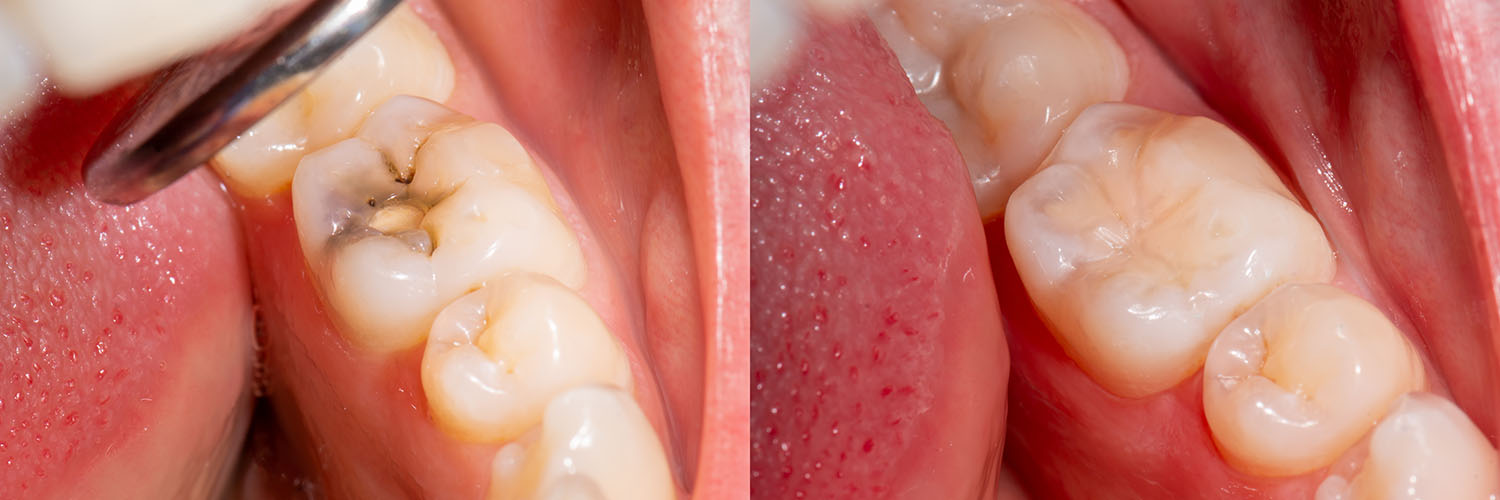
With good home care and routine dental examinations, composite fillings can offer many years of reliable performance. However, no restoration lasts forever; composite materials are subject to wear, staining at margins, and gradual breakdown under repeated chewing forces. Part of our preventive approach is watching for these changes during regular visits and intervening before a minor issue becomes more invasive.
Signs that a filling may need attention include sustained sensitivity, visible cracks, rough or discolored margins, or recurring decay at the edge of the restoration. When replacement is necessary, we aim to remove as little additional healthy tooth structure as possible while restoring form and function with the most appropriate modern material.
For larger or more complex cases, alternative restorative options—such as onlays or full-coverage crowns—may be recommended to protect the tooth and extend its functional life. Our goal is to match the treatment to the clinical need, preserving as much natural tooth as we can while providing a durable, comfortable outcome.
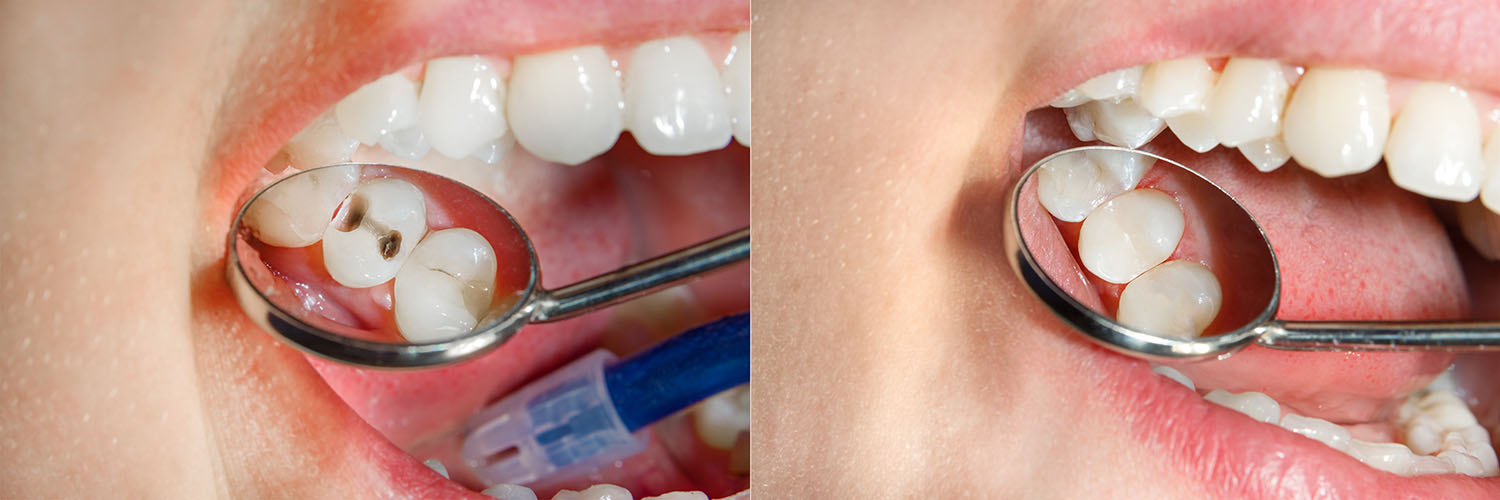
Our objective is to repair teeth in ways that feel natural, preserve healthy structure, and support your long-term oral health. If you have questions about composite fillings or whether a tooth-colored restoration is right for you, we’re happy to explain your options and walk you through the process.
Summary: Tooth-colored composite fillings combine conservative techniques with modern materials to restore a tooth’s function and appearance while minimizing the removal of healthy tooth tissue. Routine care, timely adjustments, and periodic evaluations help these restorations perform well for many years. To learn more about how we approach cavity repair and whether a composite filling is the right choice for your situation, please contact us for more information.
Tooth-colored or composite fillings are restorations made from a durable resin that can be shade-matched to surrounding enamel, allowing repairs to blend with the natural smile. These materials bond chemically to the tooth, which helps reinforce weakened enamel and dentin while preserving more healthy structure than some traditional restorations. Composites are metal-free, which eliminates the visible contrast associated with older silver amalgam fillings and makes them a popular aesthetic choice.
Modern composite formulations are engineered for wear resistance and can be used for many sizes and locations of decay, from small cavities to larger posterior repairs when placed correctly. The ability to layer and sculpt composite allows clinicians to reproduce natural contours and contact points, improving both function and appearance. For many patients, composites provide a conservative balance between strength and cosmetics without sacrificing clinical performance.
Composite fillings rely on a bonding system that creates a micro-mechanical and chemical attachment to the enamel and dentin. After the tooth is prepared and cleaned, an adhesive is applied and cured, which allows successive layers of composite resin to adhere tightly to the remaining tooth structure. That bonded interface helps seal margins against new decay and distributes biting forces across the restoration rather than relying on mechanical undercuts.
Proper bonding technique is critical to long-term success, so clinicians place composite in thin layers and use a curing light to harden each increment before continuing. Layering reduces shrinkage stress and allows precise shaping of anatomy, contacts and occlusion. When bonding and layering are done carefully, the restoration functions much like the original tooth and is less likely to fracture or leak at the edges.
At the start of the visit the dentist evaluates the tooth and surrounding tissues to determine the extent of decay or damage and to plan treatment. Local anesthesia is commonly used to ensure patient comfort while the decayed material is removed with precise instruments and healthy tooth structure is conserved whenever possible. Once the tooth is prepared, bonding and incremental placement of composite resin follow, with each layer shaped and cured.
After the composite is fully set the clinician polishes the restoration and checks your bite, making small adjustments so contacts and occlusion feel natural and comfortable. If you prefer, sedation options are available to help patients who experience anxiety or require more extensive care. The overall appointment typically focuses on restoring function and appearance while minimizing removal of healthy tooth tissue.
Contemporary composite materials are much improved in strength and wear resistance compared with earlier formulations, and they perform well for many restorative situations. Durability depends on multiple factors including cavity size, the location of the tooth, the quality of the bonding technique, and the patient's bite and oral habits. For small to moderate cavities and in well-controlled occlusion, composites often provide longevity comparable to amalgam while offering superior aesthetics.
Large restorations under heavy chewing forces may be more prone to wear or fracture over time, and in those cases alternatives like onlays or crowns can provide enhanced protection. Proper placement, polishing and occlusal adjustment reduce risks and improve clinical performance. A dentist can recommend the material and restoration type best suited to the specific clinical needs of each tooth.
Immediately after treatment avoid chewing until local anesthesia wears off to prevent accidental biting of the cheek or tongue, and follow any post-operative instructions provided by your clinician. Maintain a routine of gentle but thorough brushing and daily flossing to keep margins clean and help prevent recurrent decay at the edges of the filling. Avoid using a restored tooth as a tool and limit very hard or sticky foods that can place excessive stress on the material.
Regular dental checkups are important so the dentist can monitor the integrity of the filling and make timely adjustments if needed. If you grind or clench your teeth, discuss protective options such as a nightguard to reduce wear on restorations. Good home care combined with periodic professional evaluation helps fillings function well for many years.
Mild sensitivity to hot, cold or pressure is common for a few days after a filling as the tooth and surrounding tissues settle and adapt to the restoration. Sensitivity can stem from irritation of the dentin during preparation, minor inflammation of the nerve, or bite contacts that need refinement after the new restoration is in place. In most cases this sensitivity diminishes on its own as the tooth heals and the patient resumes normal function.
You should contact the office if sensitivity persists beyond two weeks, if you experience sharp pain when biting, or if swelling or throbbing develops, as these signs may indicate the need for an adjustment or further treatment. Often a simple polishing or bite adjustment resolves persistent discomfort quickly, but a timely evaluation helps prevent progression of problems. Early communication with your dental team ensures the most conservative and effective solution.
With diligent home care and regular dental examinations, composite fillings can provide many years of reliable service, but no restoration is permanent. Their longevity depends on factors such as the size and location of the filling, the patient's oral hygiene, occlusal forces and habits like grinding, and the quality of the original placement. Over time fillings may show wear, staining at the margins, or develop small fractures that warrant attention.
Signs that a filling may need replacement include sustained sensitivity, visible cracks, rough or discolored margins, or recurrent decay at the restoration's edge. When replacement is necessary the dentist aims to conserve as much healthy tooth structure as possible while restoring proper form and function. For increasingly large or compromised teeth, alternative restorations such as onlays or crowns may be recommended to extend the tooth's functional life.
Crowns or onlays are typically recommended when a tooth has extensive decay, multiple weakened cusps, or large existing restorations that leave too little natural tooth structure for a reliable direct filling. These indirect restorations cover and protect more of the tooth, redistributing chewing forces and reducing the risk of fracture in severely compromised teeth. They are also the preferred option for restoring teeth after root canal therapy or when previous fillings have repeatedly failed.
The choice between a filling, onlay or crown depends on preserving tooth structure while achieving long-term durability and function, and the clinician will evaluate factors such as remaining enamel, occlusion and aesthetic goals. When a tooth requires more than a conservative repair, an onlay or crown can provide superior protection and a longer-lasting outcome. Treatment planning focuses on matching the restoration type to the clinical needs of the individual tooth.
Composite materials have advanced to the point where they can be used successfully in many back teeth applications, including moderate posterior cavities, when placed with correct technique and occlusal considerations. For larger cavities that involve significant cusp loss or when there is heavy bite force, a direct composite may be less ideal because of higher risk of wear or fracture. In those situations an indirect restoration such as an onlay or crown often provides a more predictable long-term solution.
When composites are used in posterior teeth the clinician pays careful attention to layering, curing, and occlusal contacts to optimize strength and minimize shrinkage-related stress. Patient factors such as bruxism, diet and oral hygiene also influence suitability for composite in the back of the mouth. A thorough clinical assessment guides the decision to use composite or select an alternative restoration for the best outcome.
The practice combines careful diagnosis, modern adhesive materials and meticulous placement techniques to create restorations that both preserve tooth structure and match the surrounding dentition in shade and contour. Clinicians use incremental layering, precise curing and careful polishing to reproduce natural anatomy and smooth margins that resist staining and plaque buildup. Attention to occlusal balance and contact points helps restorations feel comfortable and function as intended.
Follow-up care and routine examinations in our Winston-Salem office allow the team to monitor fillings over time and address minor concerns before they become larger problems. Patient education about home care and habit management complements clinical efforts to maintain restorations long term. The overall approach emphasizes conservative repair, aesthetic integration and the preservation of healthy tooth tissue.
Have a question or ready to schedule your visit? Send us a message and we'll be in touch, or call (336) 765-9247.