(336) 765-9247
Fax
(336) 765-6960

At the office of Peace Haven Family Dentistry, we always prioritize preserving teeth whenever it is safe and practical. Still, there are circumstances where removing a tooth is the most responsible option to protect your oral health, comfort, or the development of a child’s smile. Extractions are performed to prevent ongoing infection, relieve pain, or make room for proper alignment when necessary.
Choosing extraction over restoration is a clinical decision based on the tooth's condition, surrounding tissues, and the patient’s overall health. Our team explains the reasons clearly, walks you through alternatives when available, and outlines what to expect so that the choice is informed and comfortable.
Below are some of the common situations in which extraction becomes the recommended path. These descriptions are intended to help you understand the medical rationale behind the recommendation, not to replace a personalized consultation.
Primary (baby) teeth that haven't fallen out or are severely damaged
Sometimes a baby tooth remains attached beyond the expected time, either because its roots haven't resorbed or because it has become fused to the jawbone. When that retention interferes with the eruption or alignment of the permanent tooth beneath, carefully timed removal can help a child's smile develop properly.
Permanent teeth with extensive decay that cannot be restored
When decay has destroyed most of the tooth structure or reached the nerve and surrounding bone, restoration may no longer be feasible. In those cases an extraction eliminates a source of infection and pain, and allows us to plan a safe, predictable replacement if appropriate.
Teeth that are fractured beyond repair
Horizontal or vertical root fractures and severe breakage can render a tooth unsalvageable. If there isn’t enough stable tooth material left or the fracture involves the root in a way that threatens surrounding bone, extraction can prevent further complications.
Advanced periodontal (gum) disease
Periodontal disease destroys the tissues and bone that support teeth. When bone loss and attachment loss are severe, teeth may become loose or symptomatic. Removing compromised teeth can stop the spread of infection and make it easier to restore oral health.
Impacted or problematic wisdom teeth
Third molars often lack adequate space to erupt and may become impacted, infected, or inclined toward neighboring teeth. In many young adults and some older patients, removing these problematic molars prevents pain, damage to adjacent teeth, and infections.
Extractions as part of orthodontic planning
In selected orthodontic cases, removing specific permanent teeth can create the space necessary to achieve a stable, well-aligned bite. This is a planned, collaborative decision made in consultation with the treating orthodontist and your restorative dentist.

A careful assessment precedes every extraction. Your dentist will review your medical and dental histories, ask about current medications, and confirm any conditions that could affect healing or the choice of anesthesia. Providing a complete and accurate medical history helps us reduce risk and plan safe care.
We commonly take digital radiographs to examine root shape, bone levels, and the position of adjacent structures. These images give us the detail needed to determine whether a tooth can be removed easily or whether a surgical approach is required. Clear diagnostic imaging improves precision and helps set realistic expectations for recovery.
If medical conditions or medications (for example, blood thinners or certain systemic diseases) are relevant, we coordinate with your physician as needed to make any necessary adjustments before the procedure. We also explain any pre-procedure instructions so you know how to prepare on the day of the appointment.
Simple extraction
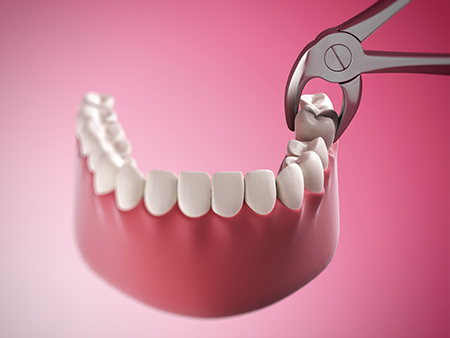
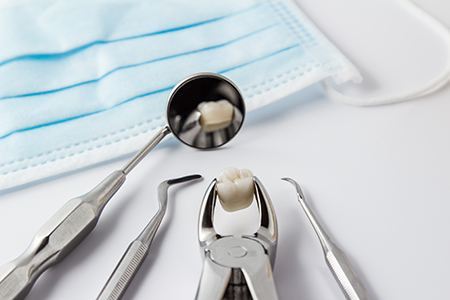
A simple extraction is performed when a tooth is visible in the mouth and the roots are straightforward. After numbing the area with a local anesthetic, the dentist gently loosens the tooth and removes it using forceps. Most patients tolerate this procedure well, and additional options such as nitrous oxide or oral sedatives can be discussed for those who experience anxiety.
Surgical extraction
Surgical extractions are recommended when a tooth is broken at the gum line, impacted, ankylosed, or has a complex root form. These procedures may require a small incision in the gum and selective removal of bone to access the tooth. Depending on the complexity, we may perform the surgery in-office or refer you to an oral and maxillofacial surgeon who specializes in advanced surgical cases.
Healing times vary by patient and by the complexity of the extraction, but most patients follow a predictable course of recovery. We provide clear post-operative instructions tailored to your procedure, medications, and any individual risk factors. Following those directions helps reduce discomfort and supports optimal healing.
Expect some swelling and mild to moderate discomfort in the first 48–72 hours; both can be managed with cold packs, rest, and the pain control plan we review with you. Avoiding strenuous activity and smoking during the early healing phase reduces complication risk and promotes clot stability at the extraction site.
If you experience unusual symptoms—such as uncontrolled bleeding, persistent or escalating pain, significant swelling after several days, or fever—contact our office right away so we can evaluate and provide prompt care.
Control bleeding with gauze pressure
We will place gauze over the socket to encourage clot formation. Bite gently but firmly as directed and change the gauze only when instructed. Some light oozing for up to 24 hours is normal; persistent heavy bleeding should be reported to us.
Protect numb tissues
Don’t chew, bite, or manipulate the lips, cheeks, or tongue while local anesthetic is still active to prevent accidental injury.
Take medications as directed
Antibiotics:
If antibiotics are prescribed, take the full course exactly as directed to reduce the risk of infection.
Pain management:
Taking a recommended pain reliever before numbness fully wears off can help keep discomfort under control. Use prescription medications only as directed and discuss non-opioid alternatives if you prefer.
Protect the clot
Avoid rinsing vigorously, spitting, drinking through a straw, or smoking for the first several days to prevent dislodging the clot and causing a painful dry socket.
Use cold therapy
Apply an ice pack to the cheek intermittently during the first 24 hours to limit swelling. Transition to warm compresses after the first day if recommended.
Follow a soft-food plan
Stick to soft, cool or warm (not hot) foods for a few days and stay hydrated. Avoid spicy or highly acidic items until healing has progressed.
Maintain gentle oral hygiene
Continue regular brushing away from the extraction site and, when appropriate, rinse gently with a saline solution as advised. Keeping the area clean supports healing.
Attend follow-up visits
Return for any scheduled follow-up so we can check healing, remove sutures if present, and discuss next steps for restoration when needed.
If concerns arise between visits, we encourage you to call so we can assess whether additional care is required.
When a tooth is removed, we consider not only immediate healing but also how to restore function and aesthetics over the long term. Leaving a gap unaddressed can allow neighboring teeth to shift, alter your bite, and make cleaning more difficult. We’ll discuss appropriate replacement options when indicated.
Replacement strategies may include removable dentures, fixed dental bridges, or dental implants depending on your anatomy, health status, and restorative goals. Dental implants are a durable option that can closely replicate the form and function of a natural tooth, but each patient’s situation is unique and deserves a tailored plan.
Our approach emphasizes coordination between restorative and surgical care. If you choose replacement with an implant or bridge, we plan timing and sequencing to protect healing sites and achieve the best possible functional and cosmetic outcomes.
Peace Haven Family Dentistry combines careful assessment, modern diagnostic tools, and conservative decision-making to ensure that extractions are done only when they are the safest, most effective option. We focus on patient comfort, clear communication, and treatment plans that support long-term oral health.
Our team discusses alternatives, explains the extraction process, and outlines post-operative expectations so you can proceed with confidence. If a replacement is appropriate, we will review options and help you choose a solution that aligns with your preferences and clinical needs.
To learn more about extraction procedures, aftercare, or how tooth removal might fit into a broader treatment plan, please contact us for more information. Our team is available to answer your questions and help you make an informed decision about your care.
Extractions are recommended when a tooth poses a threat to your oral health, function, or comfort and less invasive treatments are not feasible. Common clinical reasons include extensive decay that destroys the majority of tooth structure, severe infection that cannot be resolved with root canal therapy, or a tooth that is fractured beyond repair. Impacted third molars, advanced periodontal disease with significant bone loss, and orthodontic space requirements are also typical situations where removal becomes the most prudent choice.
Deciding on extraction is a clinical judgment based on the tooth's condition, surrounding tissues, and your overall health status. We review diagnostic imaging and your medical history, discuss alternatives when available, and explain the expected outcomes so you can make an informed decision. When removal is advised, the plan aims to protect adjacent teeth, preserve bone when possible, and prepare for appropriate restoration if indicated.
The distinction between a simple and surgical extraction depends on how accessible the tooth is and the complexity of its roots or position. A simple extraction is typically performed when the crown is fully visible in the mouth and the roots are straightforward; surgical extraction is used when a tooth is broken at the gum line, impacted, ankylosed, or has unusual root anatomy. We use digital radiographs and a clinical exam to assess root shape, proximity to adjacent anatomy, and whether bone removal or an incision will be required.
When imaging or clinical findings suggest added complexity, we may recommend a surgical approach or refer you to an oral and maxillofacial surgeon who specializes in advanced extractions. Referral is made to ensure safe management of more challenging cases, such as deeply impacted wisdom teeth or teeth close to nerves or the sinus. Our goal is to match the procedure to the individual case to minimize risk and support predictable healing.
On the day of the procedure you will receive a thorough review of your medical history and a local anesthetic to numb the area, ensuring you feel minimal to no pain during the extraction. For patients who experience anxiety or require additional comfort, options such as nitrous oxide or oral sedatives can be discussed and arranged prior to treatment. The dentist will gently mobilize the tooth and remove it using appropriate instruments for a simple extraction or perform a small incision and bone removal for surgical cases.
Procedure time varies with complexity but most routine extractions are completed in a single visit, while surgical cases may take longer and require sutures. After the tooth is removed we place gauze to encourage clot formation and give clear post-operative instructions to support healing. You will remain under observation briefly to ensure you are comfortable before leaving the office.
Before your appointment provide a complete medical and dental history, including current medications and any conditions such as bleeding disorders, heart disease, or diabetes that could affect healing. If you take blood thinners or other medications that influence surgical risk, we will coordinate with your physician as needed to make safe adjustments before the procedure. For extractions that involve sedation, follow pre-procedure instructions about fasting and arrange for a responsible adult to drive you home.
Wear comfortable clothing and plan to take it easy after the appointment, particularly if sedation is used. Review any pre-procedure guidance we provide and ask questions about anesthesia options, antibiotic needs, or special considerations related to your health. Clear communication before treatment helps reduce risk and ensures a smoother clinical experience.
Most patients experience the greatest swelling and discomfort during the first 48 to 72 hours after an extraction, with gradual improvement thereafter as the initial inflammation subsides. A blood clot forms in the socket and is essential for proper healing; light oozing, mild swelling, and manageable pain are common during the early phase. Soreness usually decreases over the first week, while complete soft tissue healing can take several weeks and alveolar bone remodeling may continue for a few months.
Following your post-operative instructions—such as resting, using cold packs initially, and adhering to the recommended diet—helps speed recovery and reduce complications. Sutures, if placed, may be dissolvable or removed at a follow-up visit, and most routine follow-ups occur within one to two weeks. If symptoms deviate from the expected course, contact us so we can evaluate and provide appropriate care.
Protecting the blood clot in the extraction socket is the most effective way to prevent dry socket and other healing problems. Avoid activities that create suction or disturb the site—such as drinking through a straw, vigorous spitting or rinsing, and smoking—for at least several days after the procedure. Follow gentle oral hygiene practices around the extraction site and use prescribed medications, including antibiotics when indicated, to lower infection risk.
Applying cold packs for the first 24 hours, switching to warm compresses after that time if recommended, and sticking to soft foods help minimize swelling and trauma to the area. If you notice increasing pain several days after the extraction or a foul odor and taste, contact us promptly so we can assess for dry socket or infection and recommend targeted care. Early evaluation and management improve outcomes and comfort.
You should contact the office promptly if you experience uncontrolled or heavy bleeding, a fever, severe or increasing pain that is not relieved by prescribed medications, or marked swelling that worsens after the initial 48–72 hours. Persistent numbness, difficulty breathing or swallowing, or signs of allergic reaction such as rash or difficulty breathing also require immediate attention. These symptoms may indicate complications that need timely evaluation and treatment.
Normal post-operative concerns such as moderate soreness, light oozing, and temporary swelling do not usually require emergency care but should be discussed at your follow-up visit if they do not improve. If you are unsure whether a symptom is expected, calling the office for guidance helps determine whether in-person evaluation is needed. We encourage patients to report worrying signs early so we can intervene quickly when necessary.
Whether a missing tooth should be replaced depends on its location, the function of neighboring teeth, your bite, and your long-term oral health goals. Leaving a gap can allow adjacent teeth to drift, impair chewing function, and create hygiene challenges that raise the risk of future decay or periodontal problems. Replacement options typically include removable partial dentures, fixed bridges, or dental implants, and each choice has specific indications based on anatomy, bone volume, and patient preferences.
Dental implants offer a stable, long-term solution that closely mimics the form and function of a natural tooth, while bridges and dentures can be appropriate in other clinical scenarios. The practice discusses restorative sequencing with you and plans treatments to protect healing sites and achieve the best aesthetic and functional outcome. A tailored consultation will review which option best aligns with your health, timeline, and restorative needs.
Yes, primary (baby) teeth can be safely extracted when indicated, and timing is chosen to support healthy eruption and alignment of permanent teeth. Indications include retained primary teeth that prevent eruption, severe decay that cannot be restored, or infection that threatens developing permanent teeth. Pediatric extraction decisions take into account root resorption, the position of the underlying permanent tooth, and any orthodontic considerations.
When appropriate, extractions for children are performed with comfort and behavior management strategies tailored to the child’s needs; sedation options are considered when necessary. Coordination with your child’s pediatric dentist or orthodontist ensures that extractions support overall development and future alignment. Clear communication with caregivers about aftercare and monitoring helps promote a smooth recovery for young patients.
Local anesthesia is the foundation of pain control for almost all extractions and reliably numbs the treatment area so the procedure is comfortable. For patients with dental anxiety or for longer or more complex procedures, supplemental options such as nitrous oxide (laughing gas) or oral sedatives can be offered to enhance relaxation. In select complex surgical cases or when extensive sedation is necessary, care may be provided in coordination with an oral surgeon who can offer deeper forms of sedation or general anesthesia.
After the procedure we provide a pain management plan tailored to the procedure and your medical history, which may include non-opioid analgesics and, when appropriate, short courses of prescription medication. Discuss any allergies, current medications, or concerns about sedatives or pain medications before treatment so we can select the safest and most effective plan. Close follow-up ensures that pain is controlled and complications are detected early.
Have a question or ready to schedule your visit? Send us a message and we'll be in touch, or call (336) 765-9247.